Human Ecology
We study human (mal-)adaptation using an evolutionary-ecological perspective, and our work falls into two broad research domains.
In the behavioural biology of sociality, we study how social behavior evolves, including its adaptive function and underlying hormonal mechanisms, and how ecological factors and evolutionary history pattern behavioral variation and social structure.
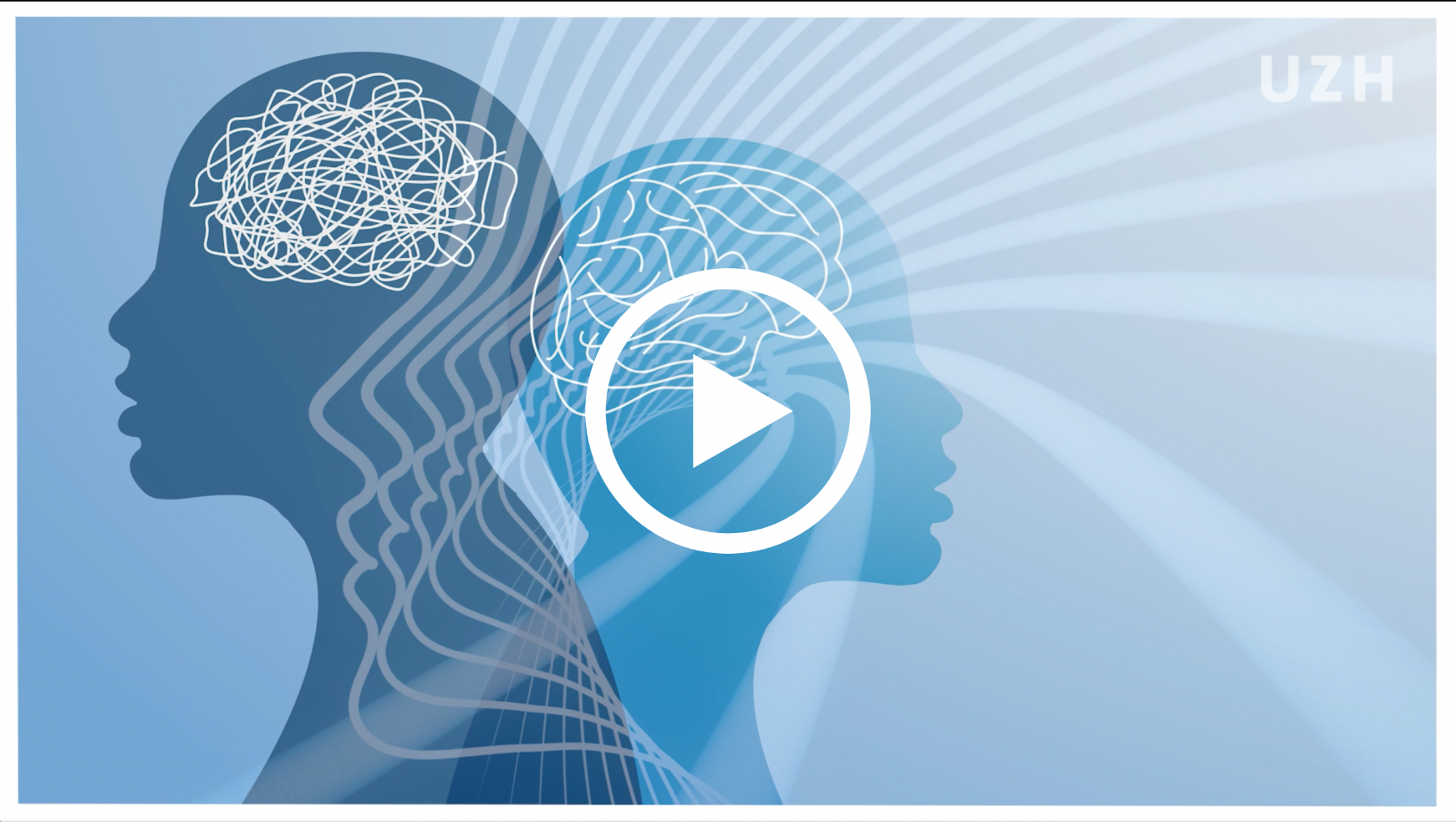
In evolutionary ecology and health, we study how evolutionary processes shape human health and disease, focusing specifically on mismatches between ancestral and modern environments and life-history tradeoffs driven by ecological factors. A particular current focus lies on mental health and the evolution of psychopathology / neurodiversity.
Overview of research interests
Our group aims to explain human traits as a product of evolutionary history and current environments. Our traits of interest include social behavior, especially cooperation and its underlying hormonal mechanisms, but also mental and physical health outcomes. We take a variety of empirical approaches, including comparative research on nonhuman primates and the ethnographic record, as well as field work among the Indigenous Tsimane’ people of Bolivia, who live in socio-ecological conditions that are in some important ways more similar to those experienced throughout evolutionary history than the conditions in industrialized societies are. We use (and teach) Bayesian statistics and actively develop new methods in phylogenetic comparative analyses or evolutionary quantitative genetics.